

OUR BLOG
Importance of Marble Densification During Pre-Installation and Polishing Stage
Updated : 2 days ago
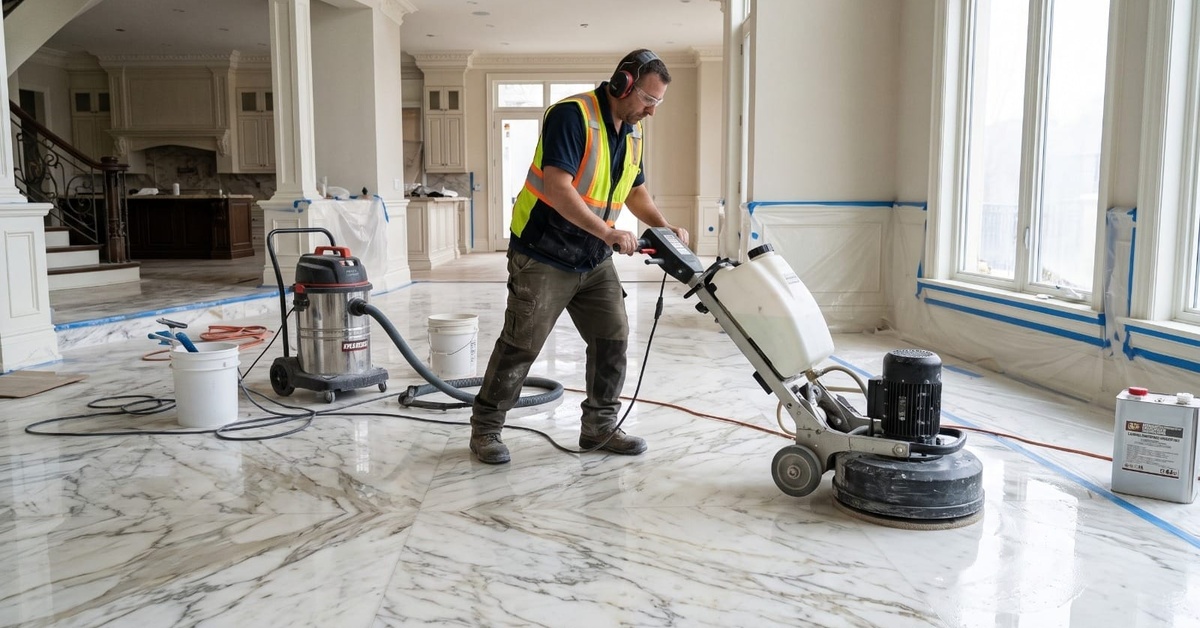
Natural stone flooring, particularly soft or porous varieties like Italian marble, boasts unmatched elegance. However, marble inherently features microscopic pores, fissures, and soft mineral pockets formed during natural curing. Without chemical reinforcement, these micropores make the stone vulnerable to chipping, staining, and premature wear. Utilizing a high-performance marble densifier during pre-installation and polishing ensures structural longevity and a deep, glass-like gloss.
Importance of Densification
Marble densification involves applying a specialized silicate-based liquid that penetrates deep into the stone’s capillaries. Chemical solutions like RachTR Stone Power (a lithium silicate-based densifier for Italian marble) react with internal compounds to form insoluble calcium silicate hydrates. This process welds loose sand particles and soft minerals into a dense crystalline network, significantly increasing surface density, compressive strength, and scratch resistance.
Densification During Pre-Installation
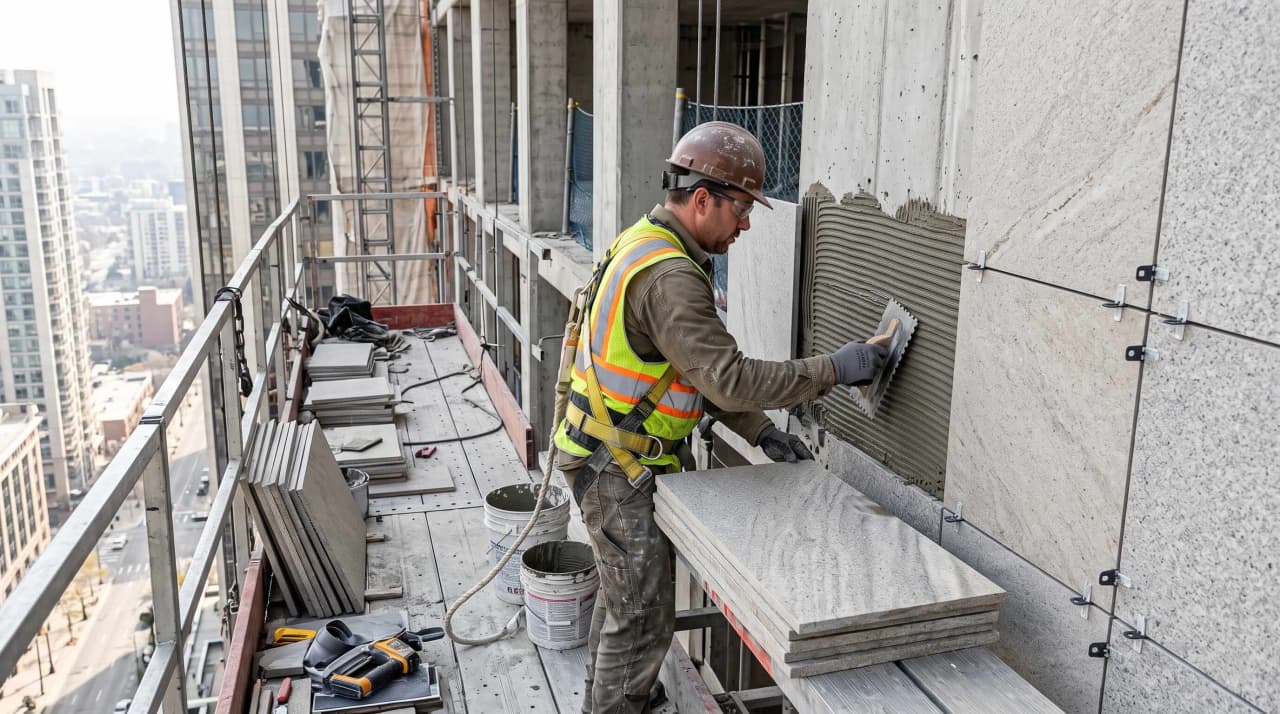
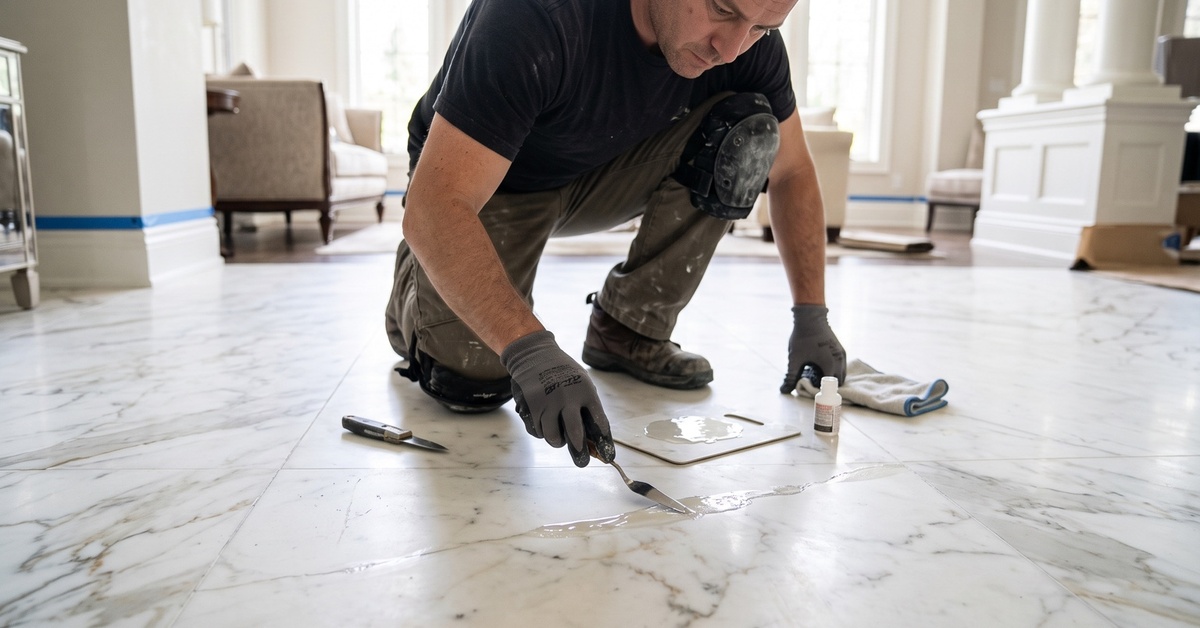
Applying a marble densifier to uninstalled slabs protects fragile stones during transit and handling. Pre-installation densification seals micro-fissures and reinforces weak edges, drastically reducing slab breakage during cutting. Furthermore, it prevents excess moisture absorption from subfloor cement slurries, minimizing back-staining and efflorescence risks later.
Densification During the Polishing Stage
During diamond grinding and polishing, friction can dislodge micro-chunks from soft marble, creating dull, pitted surfaces. Integrating marble polishing chemicals mid-way through the honing stage (typically after 400 or 800 grit grinding) hardens the stone face. This allows diamond pads to cut smoothly, eliminating micro-pitting and producing a superior, mirror-like clarity.
Application Process
Grinding & Cleaning: Grind the marble surface using initial diamond grit pads to open pores, then vacuum all slurry and let dry thoroughly.
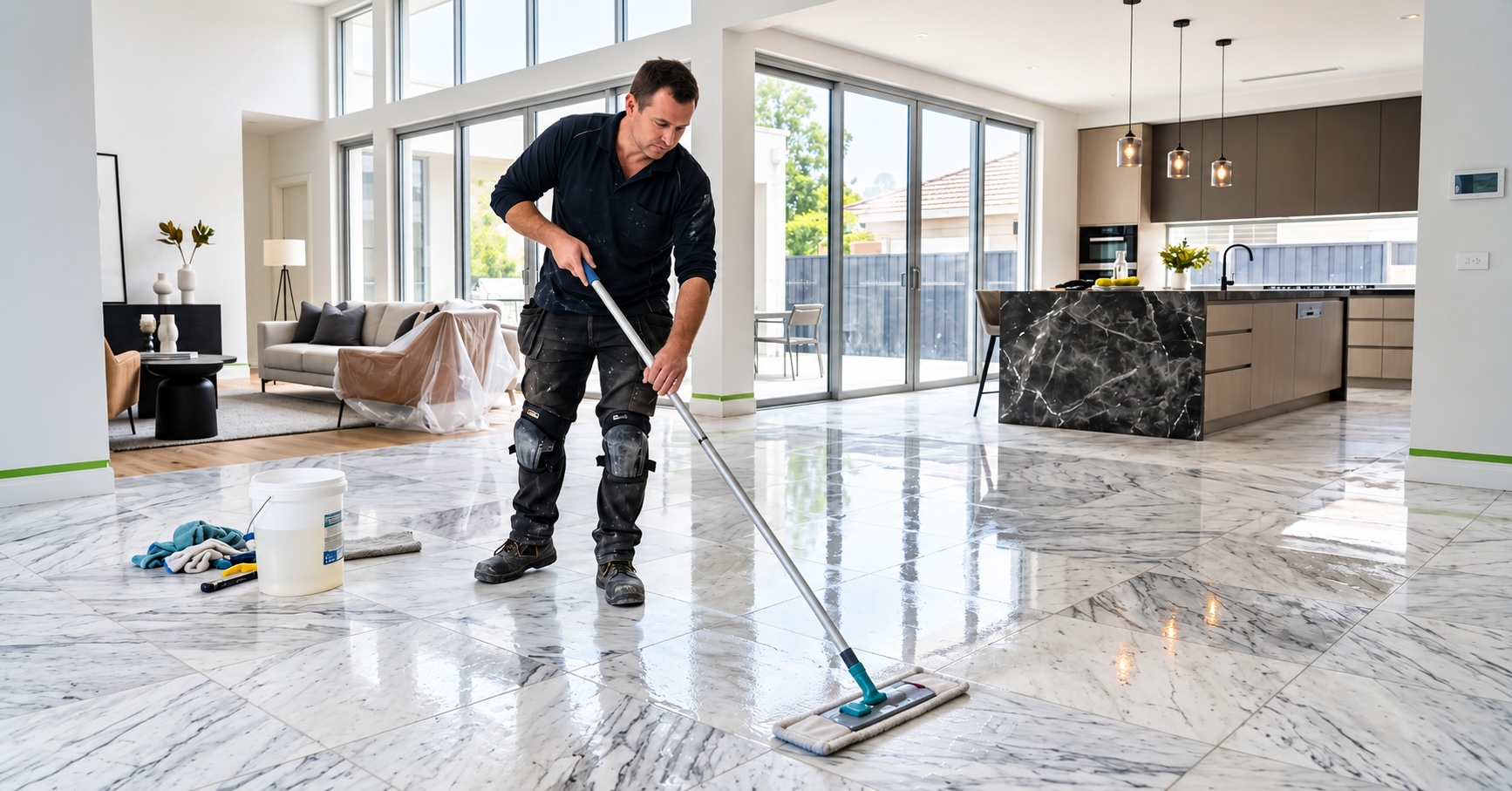
Flooding the Surface: Uniformly apply RachTR Stone Power across the floor using a microfiber mop or low-pressure sprayer.
Penetration & Dwell Time: Allow the densifier to soak for 30–45 minutes to ensure deep capillary penetration.
Buffing & Final Polish: Wipe away unabsorbed excess, allow to cure, and resume fine-grit diamond polishing for maximum shine.
Conclusion
Incorporating a lithium silicate marble densifier during both pre-installation and diamond polishing hardens porous stone, prevents micro-chipping, and achieves a durable, mirror-like finish. Treating your marble with RachTR Stone Power protects your investment against daily wear and tear for decades.
Frequently Asked Questions (FAQs)
Which chemicals to use for marble densification?
Lithium silicate formulations are the most effective marble densifiers. Products like RachTR Stone Power utilize small-molecule lithium silicates that penetrate deep into marble capillaries, reacting chemically to form hard calcium silicate bonds without causing surface blooming.
Which is the best marble densifier?
RachTR Stone Power is widely considered the best densifier for Italian marble and soft natural stone. Its water-based, non-flammable lithium silicate technology fills micropores, enhances structural density, increases water repellency, and boosts post-polish gloss.
Is natural stone densification expensive?
No, natural stone densification is very cost-effective when evaluated against total restoration costs. Considering the reasonable marble densifier price relative to its coverage (approx. 200–400 sq. ft. per liter), it provides long-term value by extending the lifespan of expensive marble floors.

60 views
60
0 comments
0

GET IN TOUCH
RachTR Chemicals Private Limited, 4th Floor, Unit No 413/414, Spaze Boulevard, Above Kia Showroom, Sector 47, Gurgaon - 122018
© 2024 RachTR. All Rights Reserved.


Comments