

OUR BLOG
Marble Adhesives: How to choose them as per application
Updated : 1 month ago
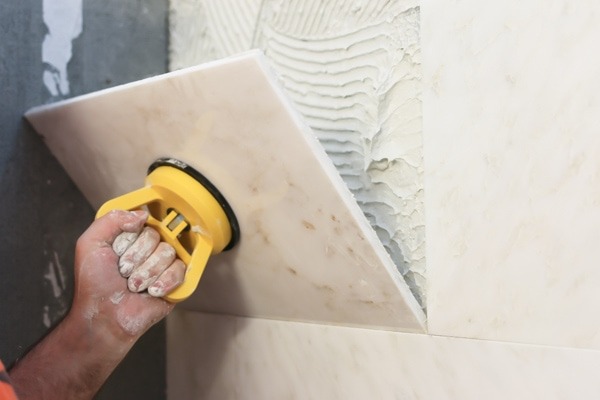
Choosing the right Marble Adhesives is important for a strong, durable, and clean marble installation. The adhesive should match the marble type, substrate, location, moisture exposure, and load.
A floor, wall, outdoor façade, or bathroom does not have the same requirements. Using the wrong adhesive can result in poor bonding, cracks, hollow spots, or detachment.
Before selecting Marble Adhesives, consider:
Marble size, thickness, and weight
Type and condition of the substrate
Horizontal or vertical application
Indoor or outdoor location
Moisture and temperature exposure
Expected load and traffic
Horizontal Application and the Right Adhesive
Horizontal applications include floors, countertops, steps, and platforms. Here, the adhesive needs to support the marble while providing strong bonding with the substrate.
For these applications, choose a suitable stone adhesive based on the marble's weight, size, and expected traffic.
Key points include:
Prepare a clean and stable substrate.
Ensure sufficient adhesive coverage.
Choose an adhesive suitable for natural stone.
Follow the recommended mixing and curing time.
Pay extra attention to large-format marble.
Proper coverage is especially important for large slabs because unsupported areas can increase the risk of cracking or movement.
Vertical Application and the Right Adhesive
Vertical applications include walls, columns, feature walls, and stair risers. Since gravity continuously pulls the marble downward, the adhesive needs reliable vertical bonding.
For vertical marble installation, consider:
Marble weight and dimensions
Substrate condition
Adhesive's vertical holding capability
Proper adhesive coverage
Recommended curing time
Mechanical support where required
Exterior Application and the Right Adhesive
Outdoor marble is exposed to rain, humidity, sunlight, and temperature changes. These conditions can affect the bonding system over time.
For exterior applications, Marble Adhesives should be selected for their suitability for moisture and weather exposure.
Consider:
Water and moisture resistance
Temperature changes
Direct sunlight
Marble weight
Substrate compatibility
Movement and joint requirements
A suitable weather-resistant adhesive can help improve the reliability of outdoor marble installations.
Interior Application and the Right Adhesive
Indoor applications may seem easier, but requirements can vary. A living room floor, bathroom wall, kitchen, staircase, and commercial lobby can all need different adhesive properties.
When selecting Marble Adhesives for interiors, consider:
Moisture exposure
Foot traffic and loading
Marble type and colour
Substrate condition
Installation direction
Required working and curing time
Bathrooms and kitchens may require a suitable water-resistant adhesive, while high-traffic areas need an adhesive system suited to repeated loading.
How to Choose Marble Adhesives for Your Project
A simple selection process can help avoid installation problems:
Identify the marble type, size, thickness, and weight.
Check the substrate and its condition.
Determine whether the application is horizontal or vertical.
Assess indoor or outdoor exposure.
Consider moisture, temperature, and expected load.
Select an adhesive designed for the specific conditions.
Follow the manufacturer's application instructions.
Sometimes the strongest adhesive isn't the best one. The best choice is the one that matches the actual requirements of the marble installation.
Conclusion
The right Marble Adhesives depend on the application, the marble, the substrate, and the surrounding conditions. Horizontal installations need good load support, while vertical applications require reliable holding strength. Exterior projects require resistance to weather and moisture, while interior applications should be selected based on usage and exposure.
RachTR Chemicals offers solutions such as RachTR TSA ECO, RachTR TSA ST, RachTR TSA PR, and RachTR LTX 133 for different construction and bonding requirements. The right product should be selected based on the specific marble, substrate, and application conditions.
Proper surface preparation, correct adhesive selection, adequate coverage, and sufficient curing are important for a durable marble installation. Choosing the right stone adhesive from the beginning can help reduce bonding problems and unnecessary repair costs.

60 views
60
0 comments
0
Recent Posts
See All
GET IN TOUCH
RachTR Chemicals Private Limited, 4th Floor, Unit No 413/414, Spaze Boulevard, Above Kia Showroom, Sector 47, Gurgaon - 122018
© 2024 RachTR. All Rights Reserved.


Comments