

OUR BLOG
Cracks in Epoxy Flooring: Here's What You Can Do
Updated : 1 month ago
What is Epoxy Flooring
Epoxy flooring is a resin-based coating system applied over concrete to create a seamless, durable, and chemical-resistant surface. It's built up in layers - typically a primer, a body/screed coat, and a top coat and is widely used across warehouses, factories, food & beverage plants, pharmaceutical units, and automotive facilities because it can handle heavy machinery, constant foot traffic, and harsh chemical exposure while staying easy to clean. As part of industrial flooring solutions, epoxy systems are chosen for their strength and longevity - but one of the most common, and most frustrating, problems facility owners run into is cracking after the floor has already been laid.
The Problem of Cracks That Occur After Execution
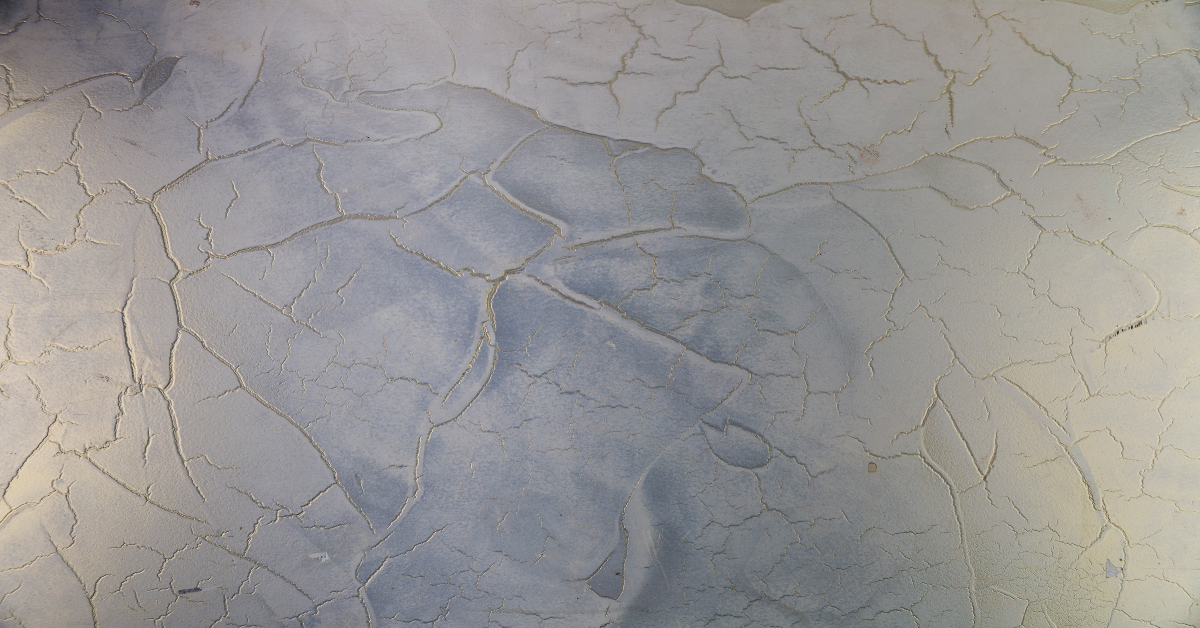
Cracks in industrial epoxy flooring rarely show up on day one. They tend to appear weeks or months after installation, usually starting as fine hairline lines that spread across high-stress zones - near expansion joints, under heavy equipment, or in areas with constant vehicle movement. Left unaddressed, these cracks don't just look bad; they let moisture and chemicals seep beneath the coating, weakening the substrate bond and accelerating further damage. What starts as a cosmetic issue can quickly turn into a structural and hygiene problem, especially in industries like food processing or pharmaceuticals where a compromised floor surface is a serious compliance risk.
Detailed Reasons Behind These Cracks
Several factors, often overlapping are usually behind cracking in epoxy flooring industrial installations:
Substrate movement: Concrete naturally expands and contracts with temperature changes. If the epoxy system doesn't account for this movement, cracks in the underlying slab transfer straight through to the epoxy surface.
Poor surface preparation: Skipping proper grinding, shot-blasting, or moisture testing before application means the epoxy never bonds correctly to the substrate - a weak bond is one of the biggest root causes of premature cracking.
Incorrect primer selection: Using the wrong primer, or skipping it altogether, reduces adhesion strength between the concrete and the epoxy layers above it.
Moisture in the substrate: Trapped moisture vapor rising through unsealed concrete pushes against the coating from below, creating stress points that eventually crack or delaminate.
Incorrect mixing or curing conditions: Epoxy is a two-component system - inaccurate mixing ratios, applying in the wrong temperature or humidity range, or rushing the cure time all weaken the final film.
Heavy point loads and impact: Constant impact from machinery, forklifts, or dropped tools in high-traffic industrial zones puts repeated stress on the surface, especially if the floor thickness wasn't specified for that load.
Underlying slab cracks or control joints: If existing cracks or control joints in the concrete aren't treated before the epoxy is applied, they almost always reflect through to the surface.
How the Probability of Cracks Can Be Reduced Before Execution
Most cracking problems can be avoided entirely with the right process upfront:
Thorough substrate preparation - mechanical grinding or shot-blasting to remove laitance and open the surface pores for proper bonding.
Moisture testing before application - using a calcium carbide test or moisture meter to confirm the slab is within acceptable limits.
Using the right primer system - a flexible, moisture-tolerant primer designed to bridge minor substrate imperfections and improve adhesion.
Correct thickness specification - matching floor thickness and reinforcement to expected load, especially in heavy-duty or high-traffic zones.
Treating existing cracks and joints - filling and reinforcing any visible cracks or control joints in the concrete before coating over them.
Controlled application conditions - applying within the recommended temperature and humidity range, and allowing full cure time before putting the floor into service.
How These Cracks Can Be Fixed After Execution
If cracks have already appeared, the fix depends on severity:
Hairline surface cracks can typically be repaired by routing out the crack, filling it with a compatible epoxy filler, and recoating the affected area to blend with the existing finish.
Deeper or structural cracks that trace back to the underlying slab need to be addressed at the substrate level first - often requiring the damaged section to be cut out, the crack repaired or pinned, and the flooring system reapplied in that zone.
Widespread cracking across large areas usually signals a systemic issue (moisture, poor bonding, or wrong specification) rather than isolated damage, and is best handled with a professional assessment before any patch repair - otherwise the same problem will resurface.
Conclusion
Cracks in epoxy flooring are almost always preventable and when they do occur, they're fixable, as long as the root cause is properly diagnosed rather than just patched over. This is exactly where RachTR's industrial epoxy flooring services are built to make a difference. RachTR delivers its epoxy flooring solutions on a turnkey basis - starting with reliable, tested products like moisture-resistant primers (RachTR EP 101, EP 402) and high-performance top coats, followed by professional, trained execution teams who handle surface preparation, application, and curing to specification. And because floors are a long-term investment, RachTR backs every installation with after-execution support - so if cracks or wear issues ever do show up, there's a team that already understands your floor's build and can diagnose and repair it correctly, rather than starting from scratch.
Wondering about epoxy flooring cost or the epoxy floor price per sq ft for a repair or fresh installation? Reach out to the RachTR team directly for a customized quote based on your facility's specific needs.
If your facility is dealing with cracked or deteriorating epoxy flooring, or you're planning a new installation and want it done right the first time, RachTR's team can assess your site and recommend the right system for your load, environment, and budget.

60 views
60
0 comments
0
Recent Posts
See All

GET IN TOUCH
RachTR Chemicals Private Limited, 4th Floor, Unit No 413/414, Spaze Boulevard, Above Kia Showroom, Sector 47, Gurgaon - 122018
© 2024 RachTR. All Rights Reserved.


Comments