

OUR BLOG
PU Flooring Thickness: How to Select the Right System for Different Industrial Applications
Updated : 1 month ago
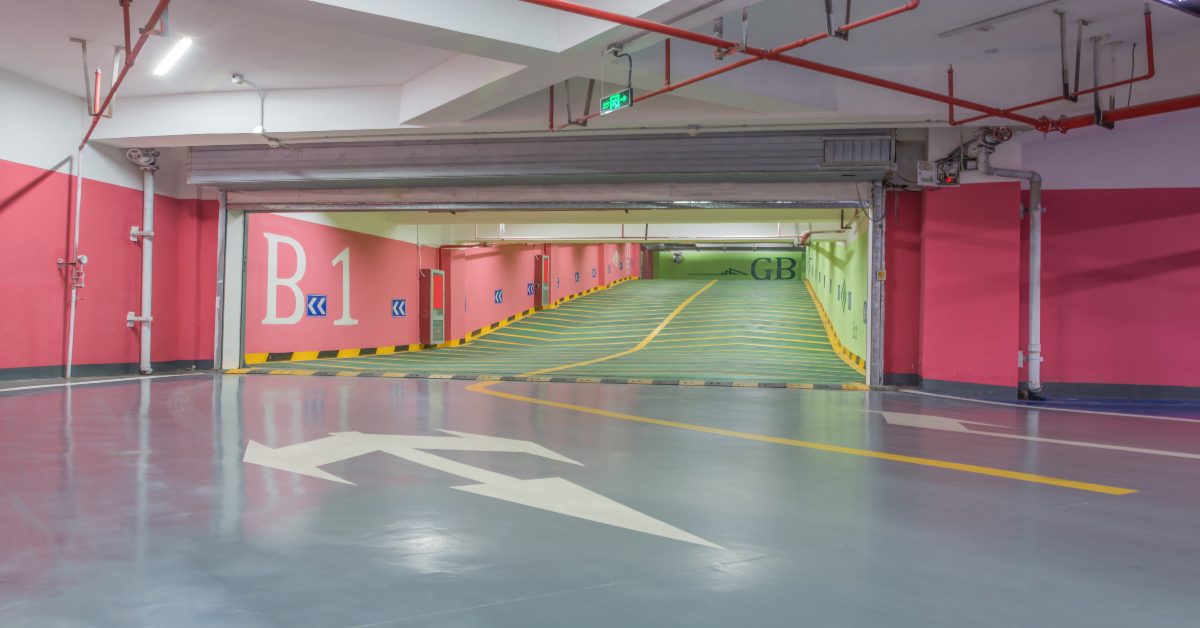
When choosing PU Flooring for an industrial space, thickness is not just about making the floor stronger. The right thickness depends on how the floor will be used every day.
For areas with light traffic, such as small workshops, storage areas or spaces with only people and light trolleys, a thinner PU system may be enough. These floors mainly need to handle regular walking and small amounts of wear. The range can vary anywhere between 1mm to 4mm.
For medium-duty areas, such as warehouses, factories and commercial kitchens, the floor faces more traffic. Forklifts, heavy trolleys, regular movement and occasional impact can put more pressure on the surface. A medium-thickness PU system offers better protection and longer service life. The range may fall anywhere between 3mm to 8mm.
Heavy-duty PU Flooring is needed where the floor has to take a lot of punishment. Manufacturing plants, loading areas, food processing units and chemical industries may have heavy machinery, forklift traffic, strong chemicals, high temperatures or sudden temperature changes. Here, a thicker and stronger PU system is usually a better choice. The range may fall anywhere between 8mm to 12mm.
The operating conditions also matter. If the floor is exposed to chemicals, oil, water, heat or frequent cleaning, the flooring system must be selected carefully. Simply choosing the thickest floor is not always the best solution.
The PU Flooring price per sq ft also changes with thickness, material quality, surface preparation and application requirements. A cheaper system may not always be economical if it needs frequent repairs.
Good Industrial Flooring starts with understanding the actual working conditions. Choose the right PU thickness based on traffic, load, impact and exposure. This helps create a floor that is safe, durable and suitable for the job.

60 views
60
0 comments
0
Recent Posts
See All

GET IN TOUCH
RachTR Chemicals Private Limited, 4th Floor, Unit No 413/414, Spaze Boulevard, Above Kia Showroom, Sector 47, Gurgaon - 122018
© 2024 RachTR. All Rights Reserved.


Comments