

OUR BLOG
Why Joint Fillers Discolor in Summer: Understanding UV, Heat & Chemical Reactions
Updated : 1 month ago
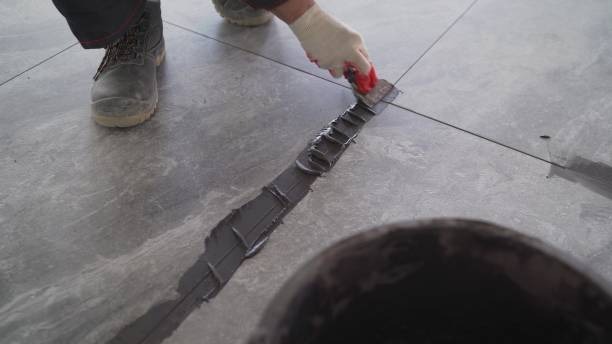
Summer in India doesn’t just test people, it puts your flooring systems under serious stress too. One common issue that often gets overlooked is the discoloration of joint fillers. Whether it’s tiles, marble, or stone surfaces, those neat, clean joints can quickly turn patchy, yellowish, or uneven during peak heat. But why does this happen?
Let’s break it down.
The Role of Heat & UV Exposure
Joint fillers, especially standard cement-based ones, are highly sensitive to temperature fluctuations. During summer, prolonged exposure to heat and UV rays can break down the pigments and binders within the filler. This leads to fading or uneven color distribution over time.
UV radiation, in particular, causes oxidation of certain compounds used in lower-grade fillers. The result? A once-uniform finish starts looking dull and inconsistent - something no facility or homeowner wants.
Chemical Reactions with Cleaning Agents
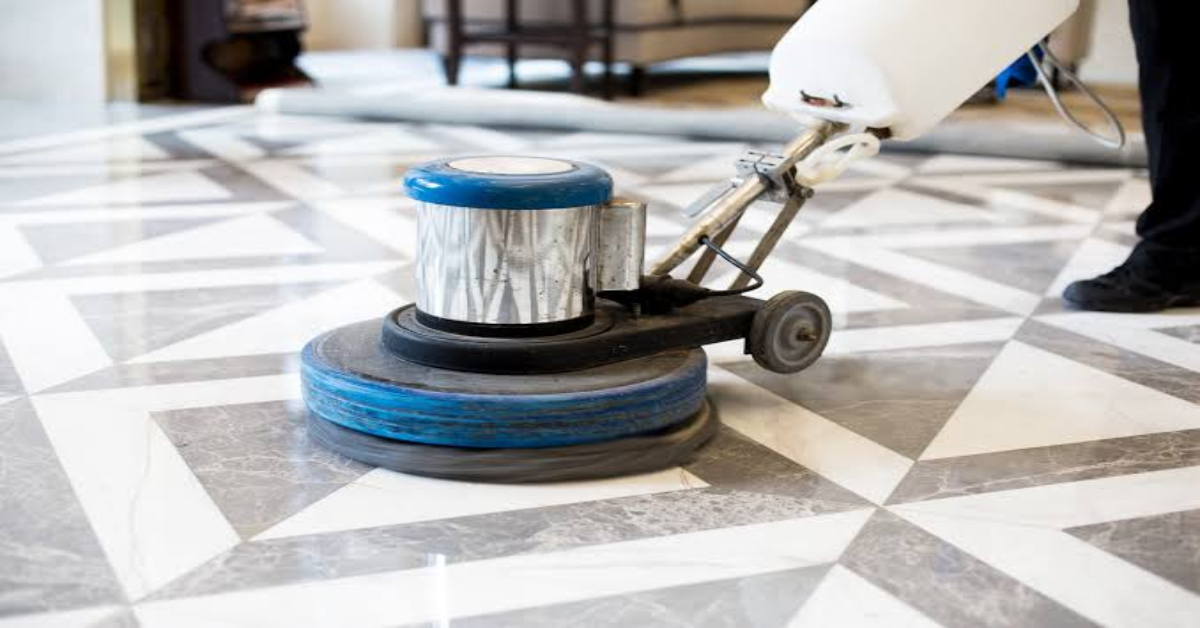
Summer also means more frequent cleaning, especially in commercial and industrial spaces where dust and grime build up faster. This is where things get tricky.
Many cleaning solutions, especially harsh or acidic ones - react with joint fillers. When combined with heat, these reactions accelerate. The filler may absorb chemicals, leading to staining, discoloration, or even surface degradation.
This is a common issue when using low-quality tiles chemical or incompatible cleaning products that aren’t designed for high-temperature conditions.
Why Quality Matters More Than Ever
Not all joint fillers are created equal. Basic cement fillers may seem cost-effective initially, but they lack resistance to UV exposure, chemical interaction, and thermal stress.
High-quality joint fillers and marble joint adhesives, like those offered by RachTR, are engineered to maintain color stability even in extreme conditions. They are formulated with advanced polymers and UV-resistant additives that help preserve both performance and appearance.
In the long run, investing in better materials means fewer repairs, lower maintenance costs, and a consistently clean aesthetic.
Simple Care Tips to Prevent Discoloration
Maintaining your joint fillers during summer doesn’t have to be complicated. A few mindful steps can go a long way:
Use pH-neutral cleaning agents instead of harsh chemicals
Avoid overexposure to direct sunlight where possible (especially in open areas)
Clean spills quickly to prevent chemical absorption
Choose high-quality joint fillers that are designed for Indian climate conditions
Schedule periodic maintenance checks during peak summer months
Final Thoughts
Discoloration of joint fillers isn’t just a cosmetic issue, it’s often a sign of material fatigue and chemical stress. With the right products and a bit of proactive care, you can easily maintain the look and durability of your flooring, even in the harshest summers.
With RachTR’s advanced range of joint fillers, tiles chemical, and marble joint adhesives, you are not just fixing joints - you are protecting your entire floor system.

60 views
60
0 comments
0
Recent Posts
See All

GET IN TOUCH
RachTR Chemicals Private Limited, 4th Floor, Unit No 413/414, Spaze Boulevard, Above Kia Showroom, Sector 47, Gurgaon - 122018
© 2024 RachTR. All Rights Reserved.


Comments