

OUR BLOG
The Importance of Densifying Marble Before Installation
Updated : 10 hours ago
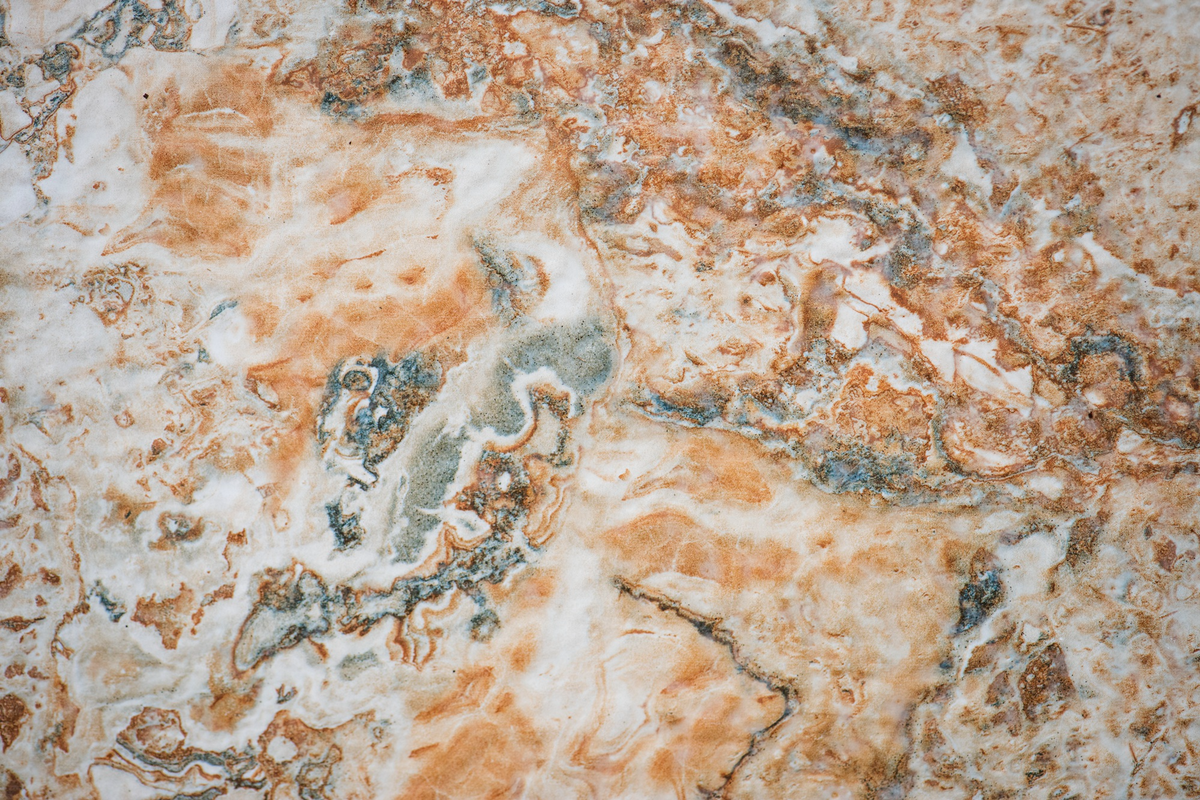
Marble looks solid, but at a microscopic level it's a porous stone - full of tiny capillaries that absorb water, oil, and contaminants far more readily than most people assume. Treating that porosity before the slab ever touches adhesive or grout is one of the most overlooked steps in a marble installation, and one of the most consequential to get right. This is what a marble densifier before installation actually refers to: sealing and strengthening the stone's surface pre-emptively, rather than trying to fix absorption problems after the marble is already laid.
What Is Marble Densification and Why Pre-Installation Timing Matters
Marble's porosity is what makes it vulnerable to capillary staining - liquids don't just sit on the surface, they wick into the stone through microscopic pore structures, carrying pigment, oil, or acidic compounds with them. A marble surface strengthening treatment, typically a penetrating impregnator, works by filling that pore structure from within, reducing how much liquid the stone can absorb without changing its surface appearance.
Timing matters because once marble is laid, its pores are no longer just exposed to the air - they're in direct contact with adhesive, grout, and whatever moisture is present in the substrate below. Densifying before installation means the stone's porosity is already reduced by the time it meets these materials, which prevents two problems that are difficult or impossible to reverse afterward: contaminants getting trapped permanently inside the pores, and grout haze bonding directly into untreated stone rather than sitting on a protected surface.
What Happens If You Skip Pre-Installation Densifying
Skipping this step doesn't always cause an immediate, visible failure - which is part of why it gets overlooked. The problems tend to surface later, and by then they're much harder to fix:
Adhesive/grout bleed-through - Uncured adhesive or grout pigment can migrate up through untreated, porous marble from below, leaving discoloured patches that show through the finished surface.
Moisture-related efflorescence - Without pre-installation sealing, moisture moving through the stone from the substrate can carry mineral salts to the surface, leaving a white, powdery deposit that's difficult to remove without damaging the finish.
Reduced resistance to acidic etching - Undensified marble is more vulnerable to everyday acidic exposure - lemon juice, wine, vinegar-based cleaners - because these liquids penetrate the pore structure faster and react with the calcite more readily than they would on a treated surface.
These are exactly the kind of recurring failure points we cover in more depth in our White Marble Installation Methodology guide - bleeding, staining, and moisture issues rarely show up as isolated incidents; they tend to trace back to gaps earlier in the installation sequence.
Types of Protective/Impregnating Treatments
Not all sealers work the same way, and knowing the difference is what determines whether you're solving the porosity problem or just masking it temporarily:
Nano-impregnating sealers - Penetrate deep into the stone's pore structure at a molecular (nano) scale, filling porosity from within while leaving the surface finish essentially invisible. Because they don't sit on top of the stone, they don't alter its natural look or gloss level, which makes them well suited to both pre- and post-installation use.
Barrier/topical sealers - Form a thin protective film on the surface of the stone rather than penetrating it. These can enhance a "wet-look" finish and offer surface-level protection, but because they sit on top of the marble rather than inside it, they're generally more relevant for finishing and maintenance than for pre-installation pore treatment.
For pre-installation work specifically, nano-impregnating sealers are typically the right choice - the goal at that stage is reducing the stone's internal porosity, not enhancing its surface finish, which comes later in the process.
RachTR Products for Pre-Installation Marble Protection
SS Sealer - An economical, water-based impregnating sealer built for long-lasting protection, well suited as a reliable baseline treatment before installation.
Defendor - A nano-impregnating sealer that protects porous tiles and stone against water, oil, and staining, addressing the core absorption problem at the pore level.
Back Seal - A nano-impregnating sealer applied specifically to the back or underside of the slab before installation, blocking moisture migration up from the substrate - directly addressing the efflorescence risk described above.
Top Seal - A premium, UV-resistant nano-impregnating sealer suited to surfaces that will see ongoing light exposure, offering longer-term protection alongside porosity reduction.
BLEEDX - Specifically formulated to prevent joint-bleed on white marble ahead of grouting, addressing adhesive bleed-through at the joint level rather than across the full slab face.
Step-by-Step: How to Densify/Seal Marble Before Installation
Clean and dry the slab surface - Remove all dust, processing residue, and moisture; the stone must be completely dry for the sealer to penetrate effectively.
Test absorption with a water-drop test - Place a few drops of water on the surface and observe how quickly they're absorbed; slow or no absorption indicates lower porosity, while fast absorption confirms the stone needs treatment.
Apply the impregnating sealer - Follow the manufacturer's specified coverage rate and allow the full recommended dry time before proceeding; under-application leaves porosity untreated, while rushing dry time can trap the sealer before it fully cures.
Back-seal the underside if installing over a cement bed - Apply a back sealer to the slab's underside to block moisture migration from the substrate, particularly important in cement-bed installations where the marble is in direct, prolonged contact with a moisture-retaining base.
Allow full cure time before grouting or adhesive application - Sealer needs to cure completely before the next process step; installing too soon can compromise both the seal and the adhesive bond.
Conclusion
Densifying marble before installation isn't an optional finishing touch - it's what determines whether the stone stays resistant to staining, moisture, and etching for years, or starts showing problems within its first season in place. Treating the stone's porosity before it ever meets adhesive or grout is the difference between preventing these issues and trying to repair them later.
To explore the full range of pre- and post-installation protection solutions, visit Protection Systems, or get in touch with our team for product recommendations specific to your stone and application.
FAQs
Should marble be sealed before or after installation?
Both - but they serve different purposes. Pre-installation sealing (particularly back-sealing and impregnating the face) protects the stone from bleed-through, moisture, and staining before it's exposed to adhesive and grout. Post-installation sealing then maintains and reinforces that protection over the marble's working life.
What is the difference between a densifier and a sealer?
In practice, the terms overlap significantly for marble treatment - a densifying/impregnating sealer both strengthens the stone's surface and reduces its porosity in a single application. The distinction matters more with topical/barrier products, which protect the surface without penetrating or strengthening the stone itself.
How long does marble impregnating sealer last?
This varies by product and traffic/exposure conditions, but nano-impregnating sealers are generally formulated for long-term performance rather than requiring frequent reapplication. Refer to the specific product's technical data sheet for tested duration and reapplication guidance.

60 views
60
0 comments
0
Recent Posts
See All

GET IN TOUCH
RachTR Chemicals Private Limited, 4th Floor, Unit No 413/414, Spaze Boulevard, Above Kia Showroom, Sector 47, Gurgaon - 122018
© 2024 RachTR. All Rights Reserved.


Comments